
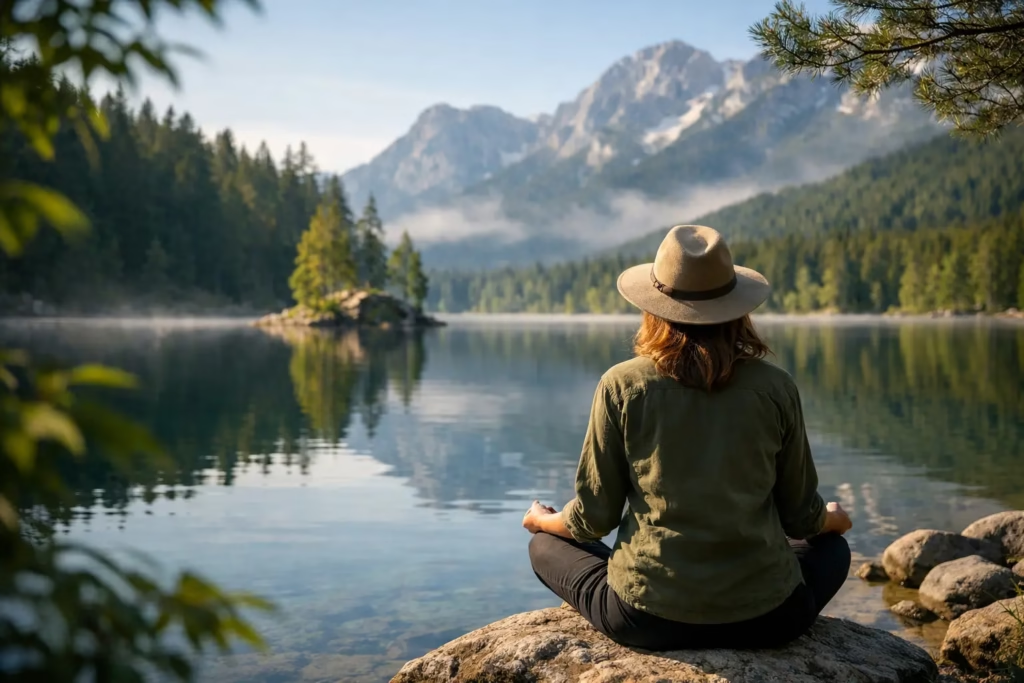
There is a particular kind of tiredness that sleep does not always touch. It can arrive after weeks of meetings, caregiving, decision-making, scrolling, or simply holding too much for too long. You may still be functioning beautifully on the outside, yet feel far away from your own inner rhythms. Learning how to reconnect with nature can be a gentle way back – not as another task to perform, but as a return to something your body has always known.
Nature does not require you to explain yourself. The ocean does not ask why you are grieving. A cedar forest does not measure your productivity. The rhythmic waves, shifting light, birdsong, and scent of rain-soaked earth offer a form of companionship that is spacious enough to hold what words cannot always organize.
Why Nature Can Help You Feel More Like Yourself
Human nervous systems developed in relationship with the living world. We are built to notice weather, movement, changing light, and the subtle signals of a landscape. Modern life asks us to spend long hours responding to alerts, artificial light, enclosed rooms, and the emotional pace of other people. None of this means technology or city life is wrong. It simply means that many of us have fewer opportunities to settle into the sensory environment our bodies recognize as spacious and alive.
Time outdoors can offer a helpful change of pace. Research on attention and stress suggests that natural settings may support restoration by giving the mind a softer place to rest. You do not need to understand the science to recognize the experience: your shoulders lower while watching water move; your breath changes when you step beneath trees; a problem that felt consuming begins to take up its proper size.
For those who have lived through chronic stress, grief, or trauma, nature is not a cure-all, and stillness is not always immediately soothing. Quiet can sometimes make difficult feelings more noticeable. The invitation is not to force calm. It is to approach the natural world in small, choice-filled ways and notice what helps you feel a little more present, supported, or safe.
How to Reconnect With Nature Without Making It Another Project
Reconnection is less about dramatic wilderness experiences than relationship. A weekend in a remote coastal sanctuary can be deeply renewing, but so can standing outside with your morning tea and feeling the air on your face. What matters is not how impressive the landscape is. It is whether you allow yourself to receive it.
Begin with one sense
When the mind is busy, asking it to be fully present can create more pressure. Choose one sense instead. Notice the coolness or warmth of the air. Listen for the nearest natural sound, even if it is only wind against a window or a sparrow on a power line. Look closely at the veins of a leaf, the shape of a cloud, or the changing colors in the evening sky.
This is not about getting the observation right. It is a small somatic practice of returning from thought into direct experience. If you feel distracted, that is human. Let your attention come back gently, as often as it needs to.
Let your pace match the place
Many people arrive in nature carrying the speed of the life they just left. They walk quickly, photograph the view, answer a message, and leave feeling they have checked something restorative off the list. There is no shame in this. It may simply be where your system is that day.
If you can, stay a few minutes longer than feels necessary. Sit beside the water without needing a revelation. Walk without a destination for part of the way. Pause at the edge of a forest trail and let your eyes adjust to the layers of green. The natural world has its own timing, and being near it can remind us that not everything meaningful happens on demand.
Give your hands something real to do
Connection often grows through participation. Tending a windowsill herb garden, watering a plant, gathering fallen branches for a fire, preparing food with seasonal ingredients, or walking barefoot on safe ground can create a quiet sense of belonging. These acts may seem ordinary, yet they return us to the reality that we are part of a living exchange.
If you live in an apartment or a dense city, work with what is available rather than waiting for an ideal moment. Visit a neighborhood park at the same time each week. Learn the names of two trees on your street. Open a window during rainfall. Consistency often creates more intimacy than occasional grand gestures.
Leave room for emotion
A wide ocean vista or a silent trail can loosen something inside. You may feel peaceful, tender, irritated, lonely, grateful, or unexpectedly tearful. None of these responses mean you are doing nature wrong. Often, when external demands quiet down, the feelings that have been waiting patiently in the background have a little more room to speak.
Rather than analyzing the experience immediately, try asking a simpler question: What am I noticing in myself right now? You might place a hand over your heart or rest both feet firmly on the ground as you ask. The purpose is not to turn every walk into deep emotional work. It is to meet yourself with the same nonjudgmental attention the landscape offers.
Make Space for Awe, Not Perfection
Awe is not always dramatic. It may be the silver underside of a leaf turning in the wind, a heron lifting from the shoreline, or the first stars visible after a difficult day. These moments gently interrupt the habit of seeing life only through urgency and responsibility. They remind us that we are not separate from the larger rhythms of change, rest, growth, and release.
You do not need to be outdoors for hours to experience this shift. Ten unhurried minutes can matter, especially when repeated. The trade-off is that brief contact may not provide the deeper decompression that comes from several days away from familiar demands. If your life allows it, a more immersive stay can offer your nervous system time to settle beyond the first layer of busyness.
On Galiano Island, the meeting of rainforest and endless ocean vistas makes this spaciousness easier to feel. At Serenity By The Sea, the cliffside setting is not simply a beautiful backdrop. It offers an invitation to listen again: to the tide, to the forest melodies, and to the quieter truths beneath the noise of everyday life.
Bring the Relationship Home
The most sustaining nature practice is one that can travel with you. Perhaps you begin each morning by stepping outside before looking at your phone. Perhaps you take the longer route home because it passes a row of maples. Perhaps you keep a small stone on your desk as a reminder to soften your jaw and feel your feet.
There will be seasons when getting outside feels easy and seasons when it does not. Illness, weather, work, caregiving, mobility, and safety can all shape what is possible. Reconnection does not require a particular body, budget, or landscape. Images of natural places, the sound of rain, sunlight moving across a wall, a beloved houseplant, or a bowl of citrus on the counter can all become points of contact when met with attention.
Over time, these moments become less like an escape and more like a relationship you can trust. Nature will not solve every question you are carrying. But it can offer a place where your soul can breathe, where the body remembers its own pace, and where you may hear yourself a little more clearly. The next time you step outside, allow the world to be enough for one moment – and allow yourself to be there with it.