
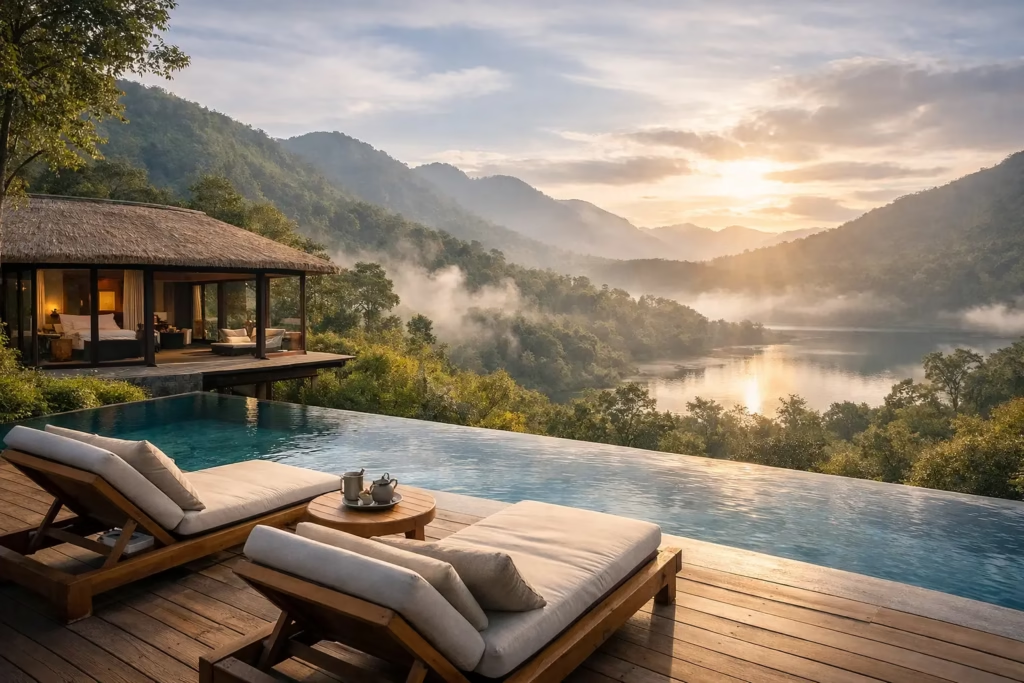
A luxury nature retreat is not simply a beautiful room in a beautiful place. It is the rare feeling of waking before the day asks anything of you, hearing rhythmic waves or forest melodies, and noticing that your body has begun to soften. This guide to luxury nature retreats is for women who want more than a change of scenery. It is for those seeking enough privacy, care, and natural spaciousness to hear themselves again.
The distinction matters. A polished resort can offer excellent service, and a remote cabin can offer welcome solitude. Yet a truly restorative retreat brings comfort, place, and human care into relationship. It creates conditions where rest is not another task to accomplish, but something your system may gradually remember how to receive.
What Makes a Nature Retreat Feel Truly Luxurious
Luxury is often mistaken for excess. In a meaningful nature retreat, it is more often expressed through discernment: a setting with room to breathe, thoughtful design, unhurried hospitality, and a sense that your experience has not been built for the crowd.
A private entrance can matter more than a grand lobby when you are carrying grief or decision fatigue. An exquisitely prepared suite can feel more nourishing than endless options when your mind has been managing everyone else’s needs. Ocean views, a deep bath, a fireplace, natural materials, and a quiet place to sit outdoors are not merely aesthetic details. They can offer gentle cues of safety to a nervous system that has spent too long on alert.
Nature itself is part of the experience, not a backdrop. The steady horizon of the sea, the shelter of a rainforest, the sound of rain on a roof, or the changing light across a cliff can interrupt the familiar momentum of overthinking. This does not erase what is difficult. It can, however, create a different pace from which to meet it.
Privacy Is a Form of Care
For many women, privacy is not an indulgence. It is what allows the shoulders to lower.
Large wellness properties can be vibrant and beautifully appointed, but shared schedules, communal dining, and frequent interactions may not suit someone moving through burnout, loss, or a tender life transition. A smaller retreat may offer fewer facilities, yet more space for personal rhythms and more attentive hospitality.
There is no universal right choice. If you feel energized by community, a group retreat may be deeply supportive. If you are longing to be unobserved, quietly held, and free to move through your day without explanation, an intimate setting may be the greater luxury.
A Guide to Luxury Nature Retreats With Meaningful Care
Before booking, it helps to consider what kind of restoration you are actually seeking. Many people begin with the understandable wish to escape. Beneath that wish may be a need for sleep, clarity, companionship, emotional release, or simply a few days without having to perform competence.
A retreat’s approach should match the season you are in. Some stays center on independent rest, with the freedom to read, walk, soak, and follow your own inner timing. Others include personalized sessions such as life-oriented reflection, somatic practices, sound experiences, or cultural healing traditions. Neither is inherently better. The question is whether the offering feels respectful, spacious, and aligned with your needs.
Look for language that honors your agency. Supportive retreat work should invite rather than pressure. It should not promise to repair a whole life in a weekend, nor ask you to disclose more than feels right. Lasting change is often less dramatic than we imagine. It may begin with recognizing a boundary, grieving honestly, sleeping deeply for the first time in months, or remembering what joy feels like in the body.
When a retreat includes wellness guidance, ask how it is personalized and what happens if a session brings up more than expected. Trauma-informed care does not mean every experience is clinical. It means the pace, consent, choice, and dignity of the guest are treated as essential.
Comfort Should Support Presence, Not Distract From It
The most memorable accommodations tend to make presence easier. Consider the details that help you settle: natural light, a comfortable bed, quality linens, a well-equipped kitchenette, a private outdoor space, or a bath overlooking water or trees.
At the same time, be honest about your practical requirements. A secluded island sanctuary may involve a ferry crossing, changing weather, limited dining options, or less immediate access to shops. Those realities are often part of the place’s quiet magic, but they are worth planning for. Luxury does not mean frictionless travel in every instance. It means that the experience feels considered, supported, and worthwhile once you arrive.
Choose the Landscape Your Body Is Asking For
Not every natural setting restores in the same way. Some people are drawn to expansive coastal views because distance helps them gain perspective. Others feel more held by a forest, where the world narrows to cedar scent, moss, and birdsong. Mountain terrain can feel clarifying and invigorating, while desert landscapes may offer a striking sense of stillness.
Notice your first response rather than choosing what looks most impressive in photographs. Are you craving horizon or enclosure? Gentle wandering or physical challenge? Complete quiet or the comfort of a nearby village? Your answer can reveal what kind of environment may support you now.
A coastal retreat on Galiano Island, for example, offers a particular combination of wild beauty and accessibility. The ferry journey itself can become a threshold between daily demands and a slower rhythm. At Serenity By The Sea, the meeting of rainforest, endless ocean vistas, and a deliberately intimate two-suite setting reflects a simple understanding: solitude becomes more restorative when it is paired with genuine care.
Questions Worth Asking Before You Reserve
The images may be beautiful, but the right questions tell you whether a retreat is a fit. Ask about the number of guests on the property, how private each accommodation truly is, and whether wellness experiences are one-to-one or group-based. Clarify what is included, from meals and transportation to session length and access to outdoor amenities.
It is also wise to understand the host’s philosophy. Do they speak about transformation with humility? Is there room for your own beliefs, rhythms, and boundaries? The best hosts do not position themselves as the answer to your life. They create a caring environment in which your own wisdom has more room to speak.
Read beyond phrases such as “wellness” and “luxury.” Look for specifics. A retreat that can describe how it cares for guests, protects quiet, and adapts to individual needs is often offering something more substantial than a beautiful marketing image.
Let the Retreat Continue After You Leave
A restorative stay does not have to produce a dramatic revelation to be valuable. The deeper gift may be the small evidence you bring home: the realization that your mornings need less noise, that your body relaxes near water, that you miss making space for unstructured thought, or that a difficult truth became easier to name when no one was rushing you.
Rather than trying to preserve every feeling from the retreat, choose one gentle practice to carry forward. It might be a ten-minute walk without your phone, a bath by candlelight, a pause before responding to a demanding message, or a return to music that helps you breathe more fully. Small rituals are not substitutes for larger support when it is needed, but they can become reminders that your inner life deserves attention.
The right luxury nature retreat will not ask you to become someone else. It will offer enough beauty, privacy, and compassionate space for you to return to the part of yourself that has been waiting patiently to be met.